Preventing damp and mould
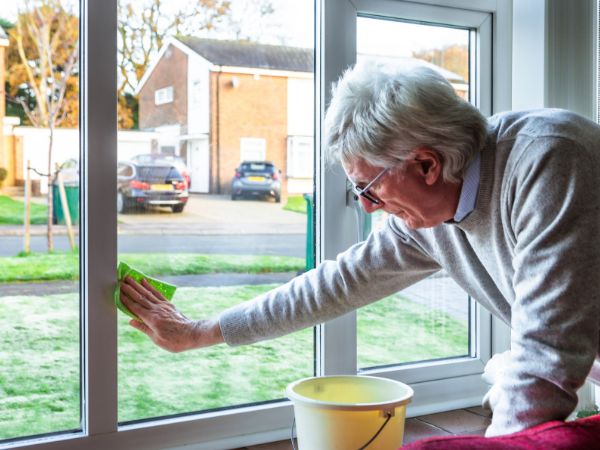
Damp and mould can lead to serious long-term health problems, including coughing, wheezing, infections, asthma and eye irritation.
Condensation
Moisture is always in the air. When warm, moist air touches a cold surface, it creates condensation, which is common in colder months. If not managed, it can lead to mould on walls, ceilings, furniture and clothing, and can damage surfaces and window frames. Mould spores can irritate the throat and lungs and may increase the risk of asthma in children.
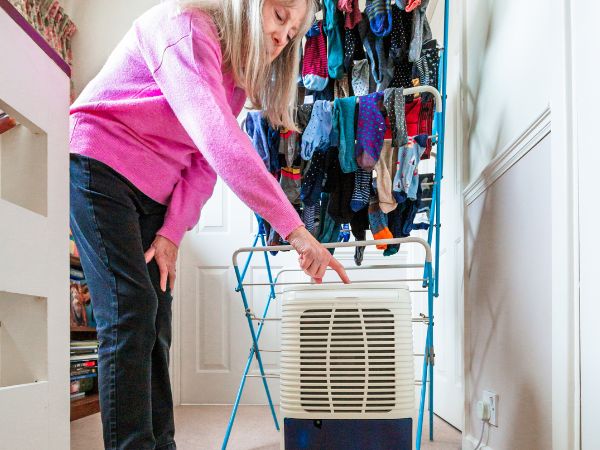
Tips to help reduce condensation
- Keep your home between 18–21°C to help stop condensation forming on cold surfaces. If you’re struggling to keep warm, see our energy advice section
- If condensation forms, wipe it off windows, walls and other surfaces.
- Open windows regularly, especially when cooking or showering, to let moist air escape. Use extractor fans if you have them.
- Make sure vents and air bricks are not blocked. If you need help, see our housing repairs and energy efficiency section
- Dry washing outside if possible. If drying indoors, hang it in a sunny room with the door closed and a window slightly open. Avoid drying on radiators.
- Use a dehumidifier if you have one to reduce moisture levels.
- Even unused rooms need some heat to prevent damp and mould. Set the radiator valve to a low level (around 1) or use a heater with a timer and temperature control. If you don’t have central heating, consider using a room heater with a timer and temperature control. Unused rooms still need to be aired occasionally.
Watch this video for tips on how to deal with condensation
Insulating and draught-proofing your home can also help in the longer term, as warm homes are less likely to create a lot of condensation.
Other causes of damp
Condensation isn’t the only cause of damp. It can also come from other sources. Please click here for more information on different types and causes of damp and mould.
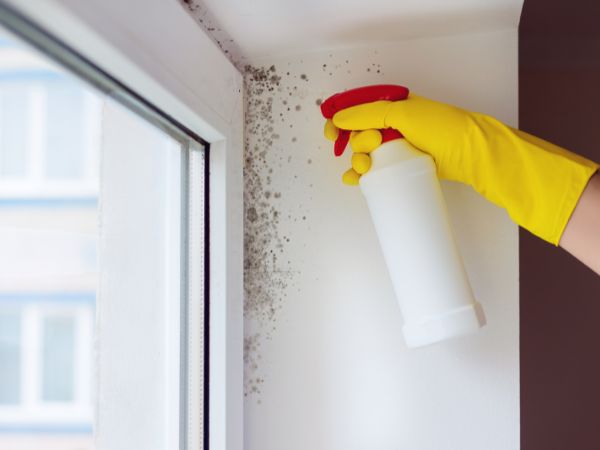
Cleaning mould safely
If mould is not treated, it can cause serious health problems. You can clean it from hard surfaces using proper mould or mildew cleaners (rather than bleach). Items like soft furnishings, carpets and ceiling tiles may need to be replaced if they are mouldy. After cleaning, using mould‑resistant paint can help stop it coming back.
Anyone cleaning mould should wear protective gear such as gloves, goggles and a mask to avoid contact with spores and chemicals. See A brief guide to mould, moisture and your home for more advice.
After removing mould, it’s important to fix the cause of the damp to prevent it returning.
If you are struggling with home maintenance or repairs, please see our housing repairs and energy advice pages
Further Information
Getting repairs done – Bradford Council
Your landlord should make sure that your home is safe and healthy to live in. If you rent and the problem continues, contact your landlord first.