Keeping warm at home
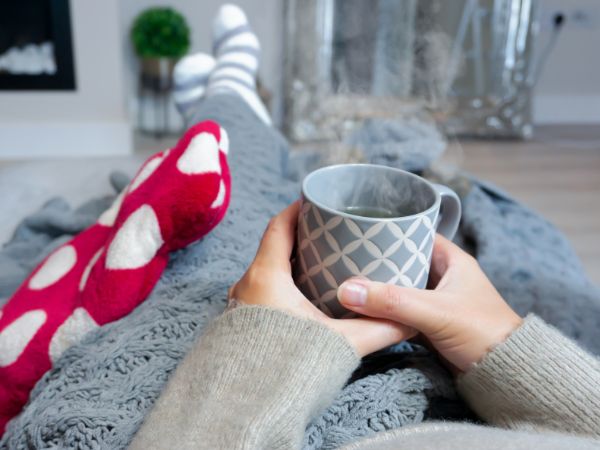
Keeping your home warm and comfortable is important for your health.
A cold home can put extra strain on your body and increase the risk of breathing problems, heart issues and infections. It can also make conditions like asthma, arthritis and circulation problems worse. Here are some tips to help you stay warm and healthy during colder weather.
Preparing for cold weather
- Get energy advice (**link to new LW energy page) to make sure your home is as insulated and energy efficient as possible
- Draught excluders can be easy to make and cheap to fit and can help to reduce draughts.
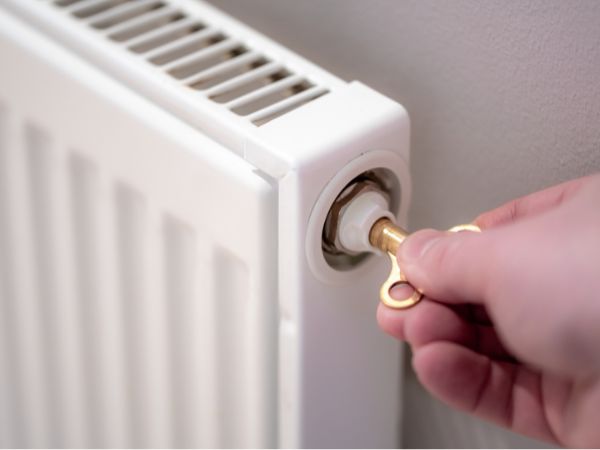
- Trapped air in your radiators may make them less effective at heating your home. If you compensate by turning the heating up or adjusting the boiler thermostat this could lead to wasted energy increased heating bills. Radiator keys cost just a few pounds.
- Check if you are eligible for the free Priority Services Register which can help if there is an interruption to your electricity, gas or water service.
- If your home is in need of repairs, it can make it harder to keep it at a safe temperature. Visit our Housing Repairs & home improvements section (new LW section) for information on support that is available.
Things you can do when temperatures are low
- Make sure radiators are not blocked by curtains or furniture.
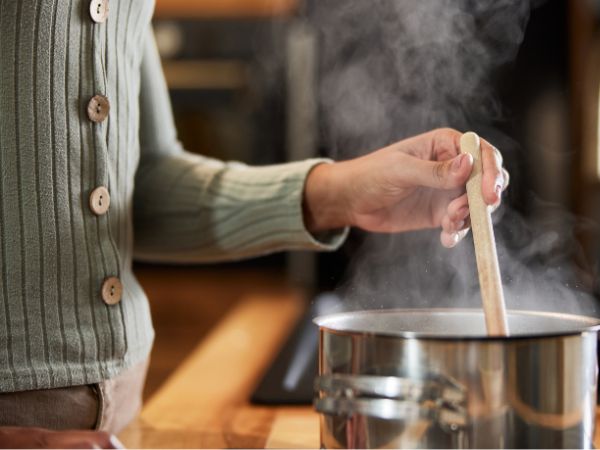
- Eat regularly and try to have at least one hot meal a day
- Floors can be the coldest part of your home so keep your feet warm with slippers, rugs or by putting your feet up.
- Layer clothing to keep in the heat (several thinner layers of clothing will keep you warmer than one thick layer).
- Use a sleeping bag or blanket(s) to stay warm.
- Try to keep active and move about if you can, this gets your blood flowing and helps you to stay warmer. Just 20 minutes a day can help improve your health
- Find out if there is a warm/ welcome space nearby where you can go and enjoy a hot drink and some company