Creating calming spaces (for mental wellbeing)
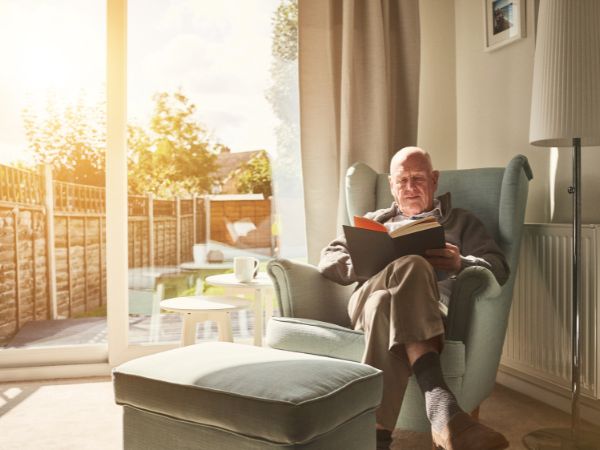
A calmer home starts with how you manage your belongings.
Clutter can build up over time, making spaces feel overwhelming and harder to relax in.
Being more mindful about what you bring into your home, rethinking what you already have, and finding ways to pass things on, can help you to create a space that feels lighter, more organised and supports your wellbeing.
The tips below can help you reduce clutter, stop it building up again and create a calmer, easier home.
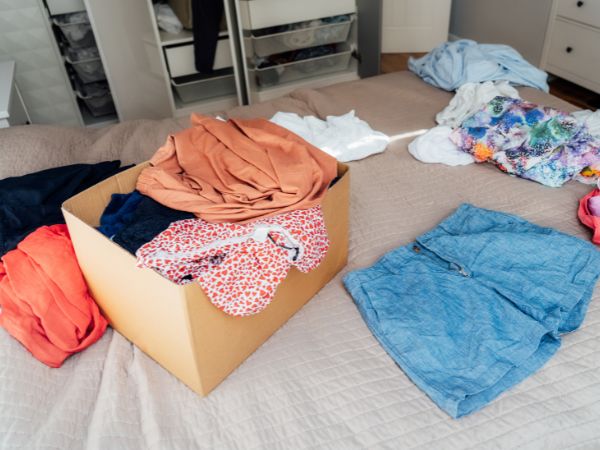
Managing Clutter
Think carefully about what you bring into your home. Do you need it, can you afford it, could you buy it second hand, make it, or borrow it?
If you haven’t used or worn something for six months and don’t expect to, consider getting rid of it responsibly. You could take it to a charity shop if it’s in good condition, give it to someone you know, or find guidance on how to dispose of furniture and household items. You can also find information on recycling electronics, disposing of electrical items and arranging bulky waste collections.
Animal shelters may accept items like old towels, unopened food, treats and leads, please check with them before donating.

Preventing Clutter
Once you’ve decluttered, try not to let clutter build up again.
Bradford Libraries
If you enjoy reading, borrow books, eBooks or audiobooks from Bradford libraries, it’s free to join.
Hygglo
If you can’t borrow from friends or family, you can use rental sites like Hygglo to borrow items such as camping gear, cleaning tools, cameras or sewing machines. You can also lend out your own items to others.
To reduce the number of gifts you give or receive, think about other ways to celebrate special occasions, or agree with friends and family to avoid unnecessary presents.

When does too much clutter become hoarding?
The NHS describes a hoarding disorder as ‘Hoarding disorder is a mental health condition where you collect lots of things and find it very difficult to get rid of them, even if it’s affecting your life.’
Further help
Hoarding concerns
If you’re worried about someone who may be hoarding and feel able to speak to them, check if they’re okay and ask if they need help. Their GP or adult social care services may be able to support them.
Useful contacts for hoarding
If you’re experiencing problems with hoarding, there are organisations that may be able to help.
Serious property conditions
A home may be classed as “filthy or verminous” if it has large amounts of food waste, faeces, dirty clothing or furniture, or is infested with rats, mice, insects or parasites at any stage of their life cycle. These conditions can make the home hard to access and create serious health and fire risks for both residents and neighbours.
For advice, contact the Housing Standards Team at CHPenquiries@bradford.gov.uk or call 01274 434520.
Serious garden conditions
If a garden has large amounts of rotting waste, bad smells, or waste attracting vermin or flies, this can be reported to environmental health.