Keeping cool at home
Staying Cool Indoors
Preparing your home for hot weather can improve your comfort and safety as temperatures rise. High heat can be dangerous, increasing the risk of dehydration, heat exhaustion and heatstroke.
Please see the tips below for simple ways to get your home ready.
Preparing for hot weather
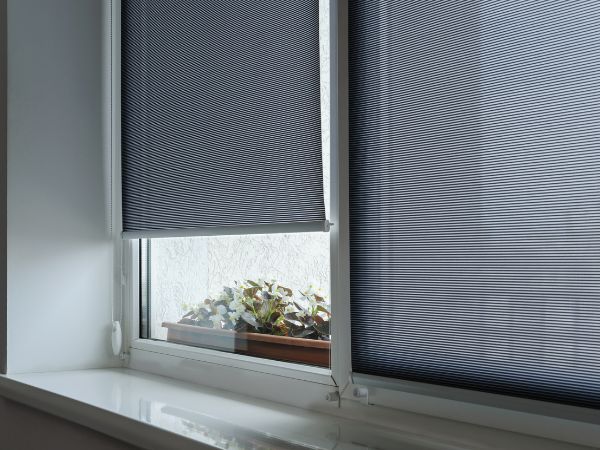
- Install internal blinds or curtains, or external shutters, roller blinds or awnings to block heat.
- Use pale, reflective paint on outside surfaces to reduce heat.
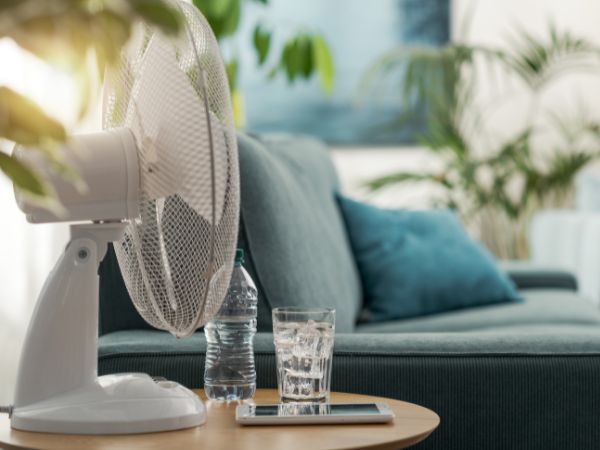
- Check fridges, freezers and fans are working properly (make sure food stays cold or frozen).
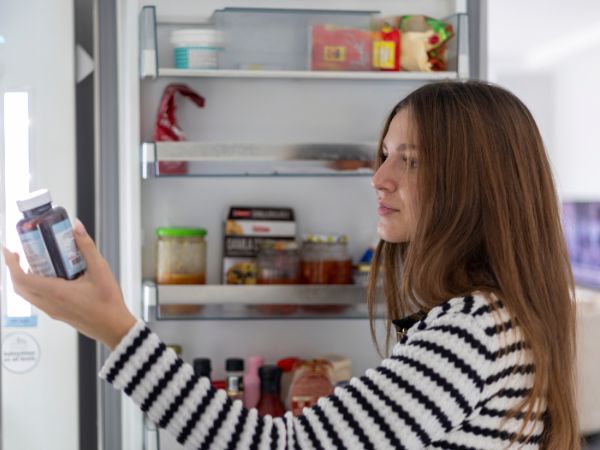
- Make sure medicines are stored as directed on the packaging.
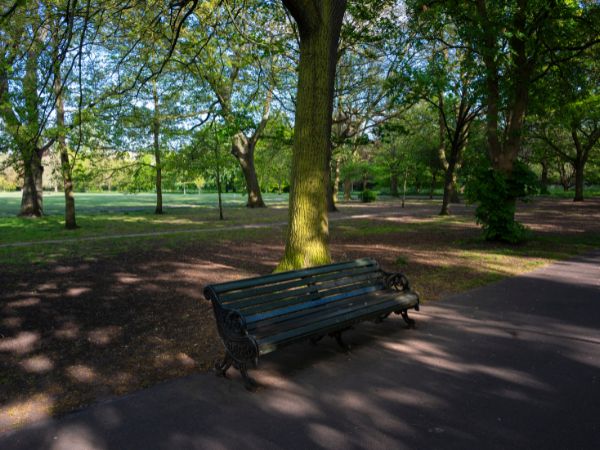
- Grow plants outside to provide shade (especially near south-facing windows) and inside to help cool the air.
- Adding insulation and upgrading windows and doors can help keep your home cool in summer and warm in winter. If you are planning any refurbishments or home improvements, ask for advice about preventing overheating.
- Apply solar film to windows (especially in the warmest rooms) to reduce heat from the sun.
When Temperatures Are High
Use window coverings to stop heat entering your home:
- Keep blinds and curtains closed during the day to keep rooms cooler.
- Use external shading like awnings or shutters, if possible, as these are more effective than internal coverings.
Let in cool air and improve airflow
It’s important to let heat out when it’s cooler outside:
- Keep windows closed during the hottest part of the day to stop hot air getting in.
- Open windows when it’s cooler outside to let fresh air in.
- If possible, open windows or doors on opposite sides of a room to create airflow (when it’s cooler).
- Open higher windows to let heat escape, as warm air rises.
- If it’s safe, open windows at night when the air is cooler.
Other tips to keep your home cool during hot weather
- Turn off heating systems.
- Make sure rooms with hot pipes or systems that can’t be turned off are well ventilated.
- Switch off lights, TVs and unused appliances, as they generate heat.
- Use a thermometer in your living room and bedroom to monitor temperature. If your home is too hot, it may be cooler outside in the shade or in public places like libraries, places of worship or supermarkets, visit if it’s safe to travel.
- If possible, cook at cooler times of day or choose cold meals. If cooking outdoors, be mindful of neighbours and avoid creating excessive smoke, as this can be a nuisance.
Food Safety
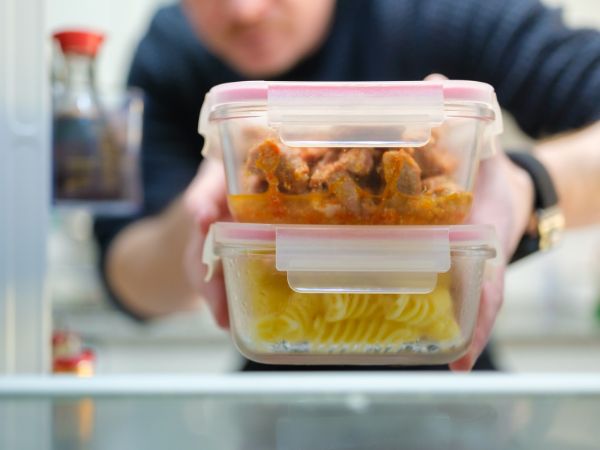
When it’s hot, bacteria on food can multiply very quickly, which increases the risk of food poisoning. Make sure food is only out of the fridge for a short amount of time before eating or cooking.
Home Improvements and Repairs
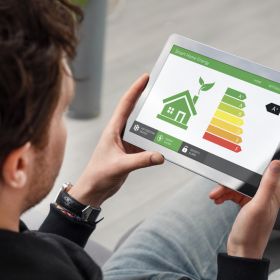
Our energy advice page has information on how to make sure your home is as insulated and energy efficient as possible.
If your home is in need of repairs, it can make it harder to keep it at a safe temperature. Visit our housing repairs and home improvements page for information on support that is available.