‘Living Well Brain Matters’ is about the things we can do to help keep our brains healthy and lower the chances of getting dementia when we’re older. Dementia isn’t a natural part of ageing, and there’s a lot we can do to look after our brain, as well as our bodies.
Risk is lowest in people who have healthy behaviours in mid life (age 40-65) and the good news is it’s never too late to start! By making changes about 4 in 10 cases of dementia could be prevented.
You can help reduce your risk if:
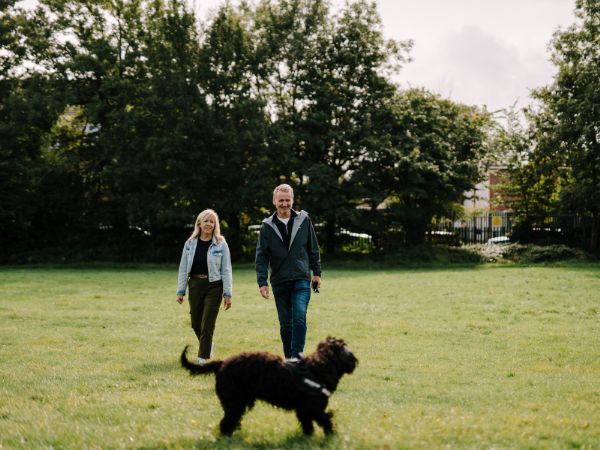
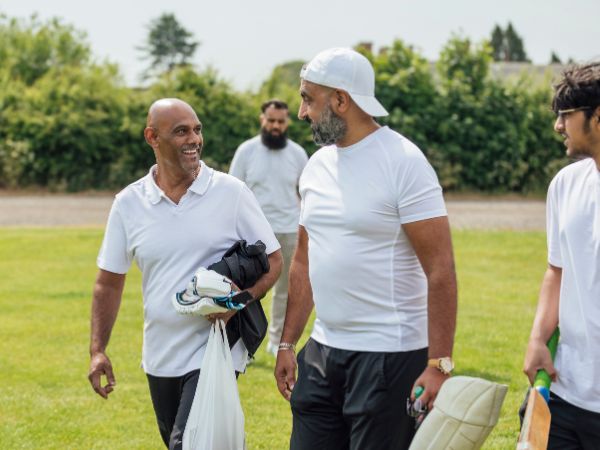
Regular physical activity not only improves mood, but also helps to improve memory and brain function. It’s one of the best ways to reduce your risk of dementia. Physical activity is anything that gets you moving, it isn’t just sport. It can be simple things such as walking, cycling, gardening, dancing or even housework. It’s important to find the things that work for you and that you enjoy. You might need to start off with small amounts of activity and build this up.
Living Well 20 Minute Movement – can help you find activities in lots of different ways
Stronger for Longer– is aimed at strength exercise for people in mid life
Living Well Physical Activity – More information and advice
Learn more about physical activity and dementia risk here
If you smoke, your risk of developing dementia is much higher but it’s never too late to stop. Quitting smoking reduces vascular dementia risk and can halve your risk of heart disease after one year of stopping.
You can get support to quit from:
Living Well Stop Smoking Service – Free, confidential service to keep you motivated to quit
GP and Pharmacies – Local GP practices and pharmacy support
Online help – links to websites and apps that can help you to quit
Learn more about smoking and dementia risk here
Drinking too much alcohol increases your risk of getting dementia. Cutting down on alcohol reduces this risk and will support you to achieve a healthier weight and lower blood pressure. If you do drink alcohol you should try to drink within recommended limits – no more than 14 units per week and spreading your drinking over 3 days or more each week, with several days alcohol free each week.
You can get support from:
DrinkCoach Bradford – An alcohol support service with an online quiz, advice and free coaching sessions
New Vision Bradford – Alcohol and drug support service for the Bradford district
Alcohol Change UK – Factsheets offering advice, support and factual information about alcohol
Learn more about alcohol and dementia risk here
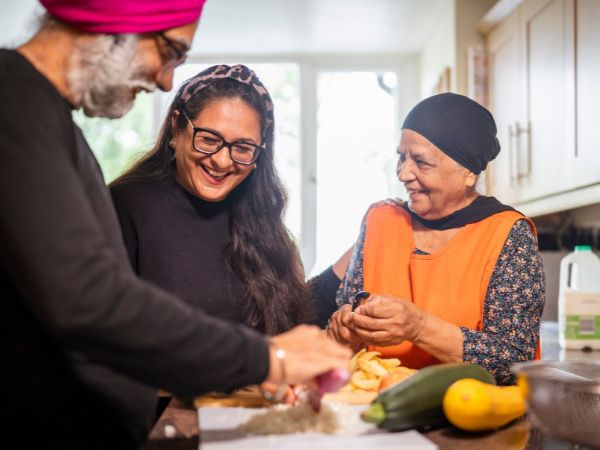
A healthy, balanced diet can help reduce the risk of some forms of dementia. A balanced diet means eating a range of food in the right proportions. This will help give you all the nutrition needed to keep your brain healthy, as well as helping towards a healthy weight.
Living Well Eating Well – Support to eat well
Eating a Balanced Diet – Information about a balanced diet and the Eatwell guide
Finding Low Cost Food – Resource to help find low cost food and support across the district
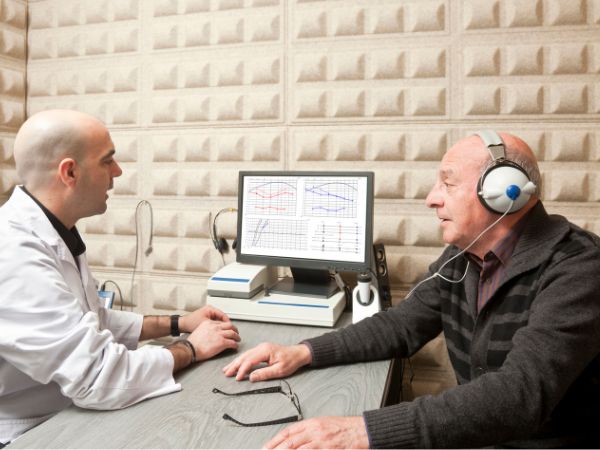
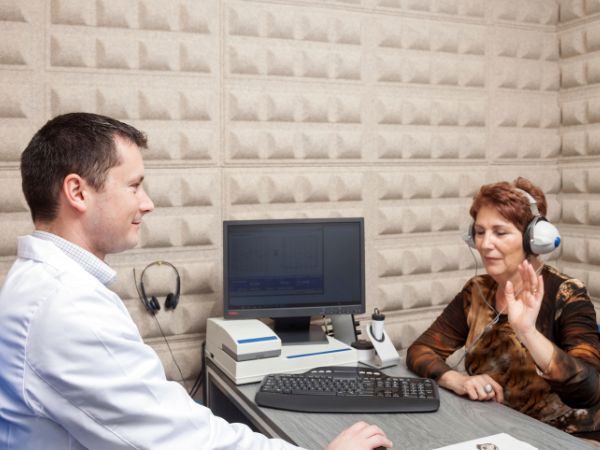
Hearing loss can impact dementia risk, so it’s important to get your hearing tested and seek support for any problems you have noticed. You can contact your GP for advice and lots of large pharmacies and opticians have hearing specialists (audiologists) who can do free hearing tests for adults. You can also try:
RNID Online Hearing Test – Check your hearing in just 3 minutes with this FREE test
NHS Hearing Tests – Find out about ways to get your hearing tested
Learn more about hearing loss and dementia risk here
Vision loss that is uncorrected can also increase dementia risk. Corrected vision loss does not increase risk. It is recommended that adults have their eyes tested every 2 years, or more often if advised by an optician.
Find an NHS Sight Test – Online tool to identify sight test locations near you
Free NHS eye tests – Find out if you’re entitled to a free NHS sight test or an optical voucher
Learn more about vision loss dementia risk here
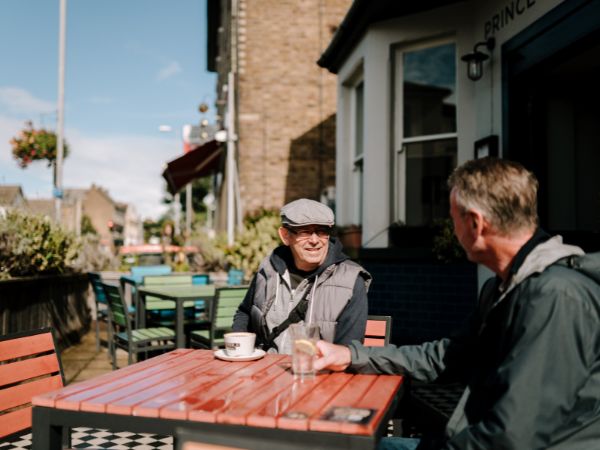
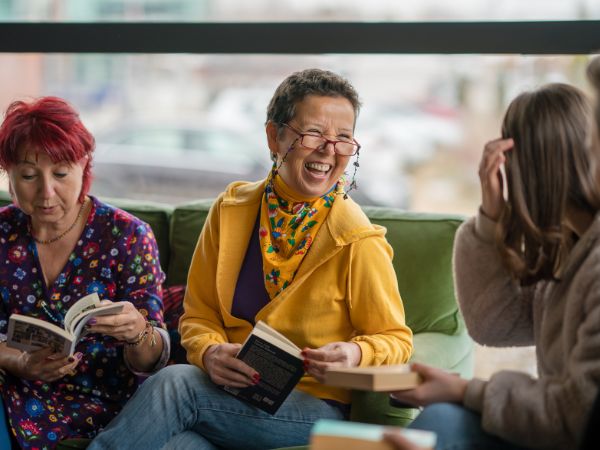
Social activities and keeping your mind active keeps your brain healthier and can help protect against dementia. It’s also good for your overall wellbeing. This includes interacting with people in person and online and taking part in activities that engage your mind. It’s good to do these regularly. It can be activities such as:
Check your local community centres and hubs to see what social activities are taking place. These websites can also help you connect to activities across the district:
Treacle – social prescribing directory with small local groups and national help and support
Bradford Connect to Support Community Directory – to find local groups and activities
What’s on in Bradford – to find events and festivals across the district
You can also ask your GP about social prescribers in your area, who can support you to access social activities.
Learn more about social isolation and dementia risk here
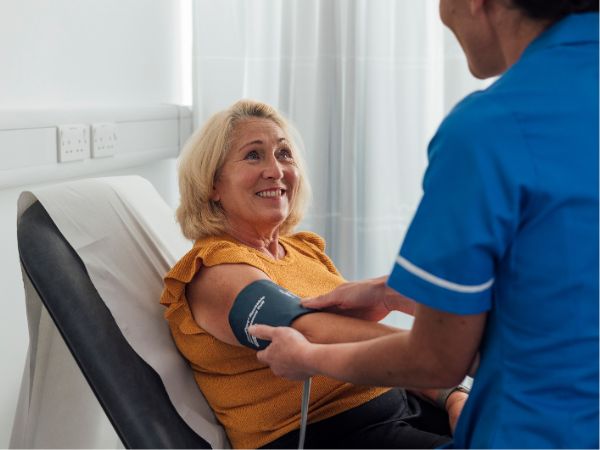
Managing your blood pressure can help protect you against dementia and will reduce your risk of heart disease and stroke. Some health conditions, such as high blood pressure, high cholesterol or diabetes can increase the risk of getting dementia.
An important way to avoid this is by going for your free NHS Health Check. This can help find early signs of illness and stop them getting worse. The check is available to anyone aged 40–74 who lives in England and doesn’t already have diabetes or heart, kidney or circulation problems. You should have this check-up every five years.
Your GP practice will invite you to your Health Check or you can book an appointment by contacting them.
NHS Health Check – find out more about the NHS Health Check
Learn more about cholesterol and the risk of dementia here
Learn more about diabetes and the risk of dementia here
Learn more about high blood pressure and the risk of dementia here